

A Toronto homeowner usually notices the problem at the worst time. The kitchen light goes on after midnight, and something small runs along the counter, disappears behind the toaster, or slips under the dishwasher. The reaction is immediate. Disgust, stress, and the question nobody wants to ask. What do roaches eat in a home that seems reasonably clean?
That question matters because a cockroach sighting rarely points to one dropped crumb and nothing more. It usually signals a hidden food source, a moisture issue, a clutter pocket, or an access gap that lets them settle in and stay. In Toronto, that can mean a condo kitchen with grease film under the fridge, a basement apartment with damp cardboard storage, or an older house where gaps around pipes create dark travel routes. Readers who want a fuller picture of how infestations begin can review this guide to understanding cockroach infestation and how they invade our homes.
Toronto residents often feel embarrassed when they find roaches. They shouldn't. Roaches don't need filth. They need access, moisture, and something edible, and their idea of edible is much broader than is widely realised. That is why the right response starts with understanding their diet, then removing the exact conditions that support it.
Table of Contents
- That Unsettling Scramble What Roaches in Your Toronto Home Mean
- The Omnivore's Menu What Cockroaches Actually Consume
- Top Roach Attractants in Toronto Homes and Businesses
- Decoding the Signs How to Spot a Roach Feeding Problem
- Your Proactive Prevention Plan Roach-Proofing Your Property
- When DIY Isn't Enough Why Toronto Residents Call a Professional
- Frequently Asked Questions About Cockroach Diets
That Unsettling Scramble What Roaches in Your Toronto Home Mean
Seeing one roach in a Toronto home doesn't mean the problem is small. It means one was active when the lights came on, and roaches are built to stay hidden. They forage at night and hide in cracks and behind furniture, which helps them avoid detection in kitchens, basements, storage areas, and multi-unit buildings, as described by Orkin's cockroach food guidance.
That pattern explains why Toronto condo owners often spot them near the sink at night but not during the day. The same thing happens in heritage homes with old trim gaps, and in mixed-use neighbourhoods where restaurants, laneway waste bins, and dense housing sit close together. The sighting is unsettling because it suggests a larger hidden pattern, not a one-time accident.
Practical rule: A roach on an open floor usually isn't the full problem. The real issue is the food, moisture, and shelter that allowed it to stay unnoticed.
Roaches are problem-solvers. If they find crumbs, grease, paper residue, damp cardboard, or organic debris, they can settle in close to those resources and feed with very little movement. For Toronto residents, that means the focus shouldn't stay on the visible insect alone. The focus should move to the feeding conditions behind appliances, inside cabinets, around plumbing lines, and in storage zones that don't get cleaned often.
The Omnivore's Menu What Cockroaches Actually Consume
A Toronto kitchen can look tidy and still feed roaches for weeks. In condos, I often find the food source in narrow gaps around dishwashers and fridge compressors. In heritage homes, it is often paper dust, old glue, and damp basement storage. Near dense commercial strips, roaches also arrive with a broad tolerance for whatever a building gives them.
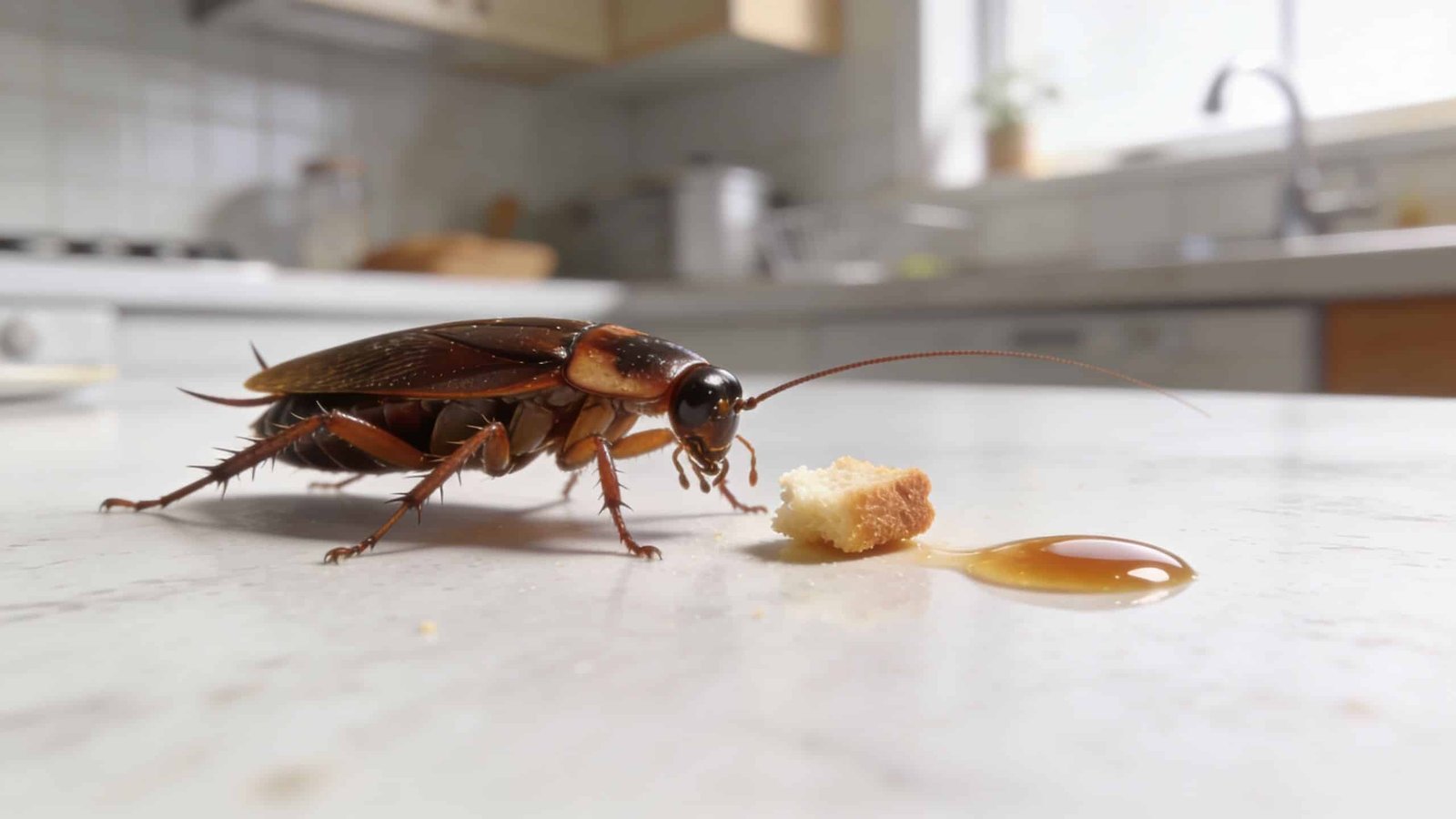
Preferred foods inside Toronto properties
Cockroaches are omnivorous scavengers. They feed most readily on sweets, meats, starches, grease, and any residue that stays undisturbed long enough to build up. In plain terms, that means syrup on a cabinet pull, cereal dust under a toaster, cooking oil on the side of a stove, dried sauce splash beside a microwave, and crumbs that settle into floor seams.
The problem in Toronto housing is scale and access. A small condo kitchen concentrates heat, moisture, and food film into a few square feet. An older house gives roaches more voids to travel through, plus organic material that people do not treat as food. A mixed-use building near restaurants or laneway bins can keep pressure on the whole structure, even if one unit is fairly clean.
What they eat when the obvious food is gone
Once visible crumbs are removed, roaches do not stop feeding. They switch to lower-value material and keep going. That is why surface cleaning helps, but rarely solves an established problem on its own.
Common backup food sources include:
- Paper products: cardboard, paper bags, book bindings, and pasted labels
- Adhesives and finishes: wallpaper glue, residue on shelves, and food-soiled tape
- Bathroom build-up: toothpaste, soap film, hair, and skin debris near vanities
- Stored organic debris: trash seepage, recycling residue, pet food dust, and sludge under sinks
- Roach material: shed skins, egg case residue, and other dead roaches when pressure is high
This feeding range creates different weak points in different Toronto properties. In a Victorian or Edwardian home, stored boxes in a damp basement can support activity longer than homeowners expect. In a condo, the issue is often hidden residue under the kick plate or around plumbing penetrations where crumbs and moisture collect. In a storefront block with apartments above, garbage rooms and shared service chases can keep food available even after one tenant cleans up thoroughly.
I tell homeowners to treat roach food in layers. Remove daily food residue first. Then remove the backup diet that keeps the population alive between feedings.
A professional-grade sanitation and exclusion plan usually includes four steps:
- Pull out appliances and clean the hidden film. Grease, starch dust, and sticky splash behind stoves and fridges matter more than the center of the countertop.
- Reduce paper and cardboard storage. Plastic bins with tight lids beat corrugated boxes in basements, pantries, and condo lockers. The same logic behind choosing an odor proof garbage can for Madison homes applies here. Contain residue and cut off scent.
- Address moisture with the food source. Roaches feed longer where there is condensation under sinks, around dishwasher lines, or near leaky shutoffs.
- Seal access to feeding pockets. Caulk gaps at cabinet joints, baseboard separations, pipe penetrations, and wall void entries after cleaning, not before.
If a homeowner asks what roaches eat, the honest answer is broad. They eat whatever gives them enough calories and moisture to stay hidden near a harbourage. That is why the fix has to match the building. In Toronto, good roach control is not just about wiping counters. It is about removing the diet that exists behind the surfaces you see.
Top Roach Attractants in Toronto Homes and Businesses
Knowing what roaches can eat is only useful if it gets translated into the places where they find it. In Toronto properties, the highest-risk attractants aren't just visible scraps. Raid notes that residue films on equipment, behind appliances, and in waste-handling zones are major attractants, and that cockroaches will also exploit non-food organics such as cardboard, glue, and paper bindings when preferred foods are limited, as outlined in Raid's guide to what cockroaches eat.
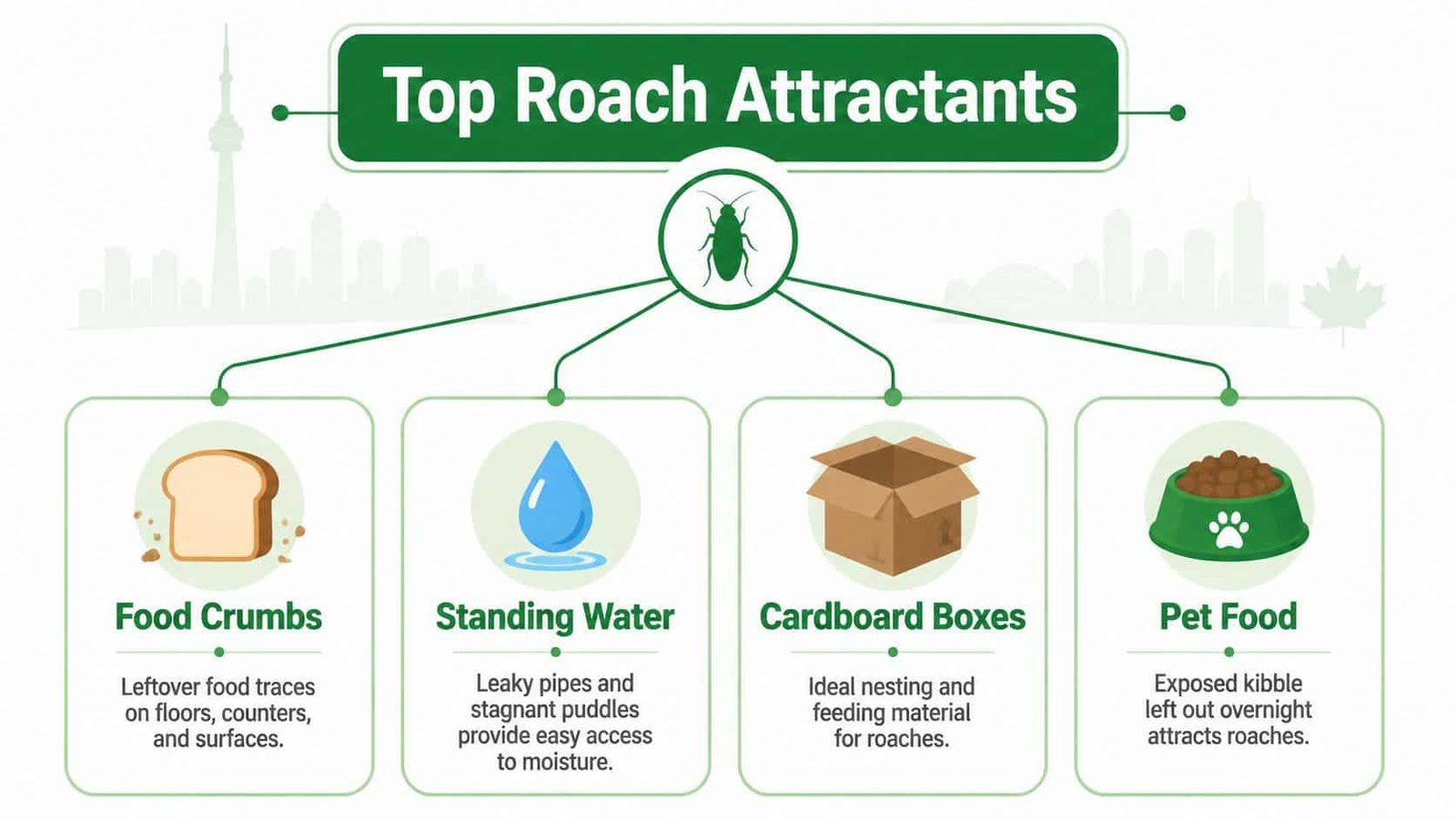
The kitchen buffet
Toronto kitchens create perfect feeding lanes because they combine food residue, warmth, and water. In condos, that often means narrow voids beside dishwashers and under fridges. In detached homes, it may be the gap behind a stove, the lower cabinet under the sink, or the forgotten space where reusable bags and potatoes are stored.
Common kitchen attractants include:
- Grease film: stovetops, range hoods, backsplash seams, and the floor beside the oven
- Starch dust: crumbs from bread, crackers, cereal, flour, rice, and pasta
- Sticky residues: syrup, juice splash, sweet drink rings, and dried sauces
- Waste access: unwashed recycling, leaky garbage bags, and food residue inside bins
A bin with a tight lid helps, but odour control matters too because residue builds up quickly inside the container itself. For homeowners comparing storage options, this article on an odor proof garbage can for Madison homes is useful for thinking through lid seal, easy-clean interiors, and smell management. Those same features matter in Toronto kitchens.
Hidden feasts beyond the kitchen
Roaches don't stay loyal to one room. If food is limited in the kitchen, they spread to other zones where organic material and moisture are available.
A few of the most overlooked spots are:
| Area | What attracts roaches | Why it gets missed |
|---|---|---|
| Bathroom vanity | soap scum, toothpaste residue, hair | residents focus on plumbing leaks, not feeding residue |
| Basement storage | damp cardboard, paper goods, clutter | boxes sit untouched for long periods |
| Laundry area | lint, moisture, dark gaps behind machines | machines rarely get pulled out |
| Pet feeding area | kibble dust, wet food residue, water bowls | food often stays out overnight |
Toronto basements deserve special attention. In many older homes, storage ends up directly on concrete, and cardboard absorbs moisture. That creates both a hiding zone and a feeding source.
Pressure points for Toronto businesses
Restaurants, cafés, bakeries, offices with break rooms, and small retail spaces all create different versions of the same problem. Food-handling spaces generate residue in cracks, under shelving, inside floor drains, near dish stations, and around waste zones. Dense commercial blocks in Toronto add another challenge because activity in one unit can affect the next.
Roaches don't care whether the crumbs came from a family dinner or a commercial prep line. They care whether the food is accessible and whether the harbourage is nearby.
For business operators, the weak points are usually storage rooms, mop sinks, waste staging areas, and equipment bases that staff can't clean well during a normal shift. A polished front counter doesn't mean the back-of-house is protected.
Decoding the Signs How to Spot a Roach Feeding Problem
Roaches leave evidence long before many Toronto residents see a live insect. Their feeding activity creates byproducts, and those signs matter because they often appear in tight spaces where people don't look often.
What the debris is telling you
Scientific research describes cockroaches as biologically flexible. The same peer-reviewed review notes that they can digest cellulose, can exhibit cannibalism during starvation, and that all developmental stages may feed on feces, dead insects, and decomposing trash. That helps explain why their debris and waste are key signs of infestation, as covered in this PubMed Central article on cockroach feeding biology.
The signs most homeowners notice first are usually these:
- Droppings: small dark specks that resemble ground pepper or coffee-like debris
- Smear marks: dark streaking along wall edges, cabinet corners, and travel routes
- Shed skins: light brown cast skins left behind as young roaches grow
- Egg cases: capsule-like cases tucked in hidden corners, under sinks, or behind appliances
- Odour: a stale, musty, oily smell that lingers in enclosed infested areas
One sign alone doesn't always confirm the scale of the issue. Several signs in the same zone usually point to an active feeding and harbourage area.
Where Toronto residents should inspect first
A smart inspection starts low, warm, and dark. In condos, residents should check under the kitchen sink, beside the dishwasher, behind the fridge, and inside the cabinet where small appliances are stored. In older Toronto homes, add basement utility corners, radiator pipe penetrations, and bathroom vanities to the list.
A quick inspection routine works better than a rushed deep search:
- Open lower cabinets and inspect the hinge side, back corners, and shelf pin holes.
- Use a torch to check along appliance edges and around plug points.
- Lift stored items instead of looking around them.
- Check cardboard and paper goods for pepper-like debris or gnawing contamination.
A feeding problem rarely leaves evidence in the centre of a room. It shows up where surfaces meet, where moisture lingers, and where cleaning is inconsistent.
Your Proactive Prevention Plan Roach-Proofing Your Property
Roach prevention works when sanitation and exclusion happen together. Cleaning alone won't solve open access. Sealing alone won't solve food residue. Toronto homes need both, especially in multi-unit buildings where shared walls and pipe chases create movement routes. Homeowners looking for a broader defence plan can also review these steps on how to protect your home from a cockroach infestation.
Sanitation that actually reduces food access
Many individuals clean the obvious areas. Roach control requires attention to the hidden ones.
A better sanitation plan looks like this:
- Pull out movable appliances: clean grease and food dust beside and beneath the stove, fridge, toaster oven stand, and microwave shelf.
- Remove cardboard storage: transfer dry goods, paper products, and pantry overflow into sealed containers or washable bins.
- Wash bins, not just bags: garbage cans, recycling tubs, and green bins need regular scrubbing because residue clings to the inside walls.
- Control pet feeding: don't leave kibble or wet food out overnight, and wipe the floor around bowls.
- Reduce bathroom residue: clean toothpaste drips, soap film, and hair from sink cabinets and floor edges.
Residents with skin sensitivities often struggle with heavy-handed cleaning routines. A gentler product approach can help them keep up with maintenance, and this resource on spring cleaning for sensitive skin offers useful ideas for building a routine that's easier to stick with.
Exclusion and moisture control
Roaches stay where food and water are close together. That makes moisture control just as important as cleaning.
Key exclusion tasks include:
- Seal gaps around pipes: under sinks, behind toilets, and where utility lines enter walls
- Repair leaks quickly: dripping shut-off valves, sweating pipes, and slow drain seepage keep problem zones active
- Caulk cabinet seams and baseboard cracks: especially in older Toronto homes where settling opens small voids
- Tidy storage off the floor: use shelving in basements and utility rooms so materials stay dry and visible
Some Toronto residents also arrange a professional inspection when the pattern isn't clear. One local option is Vanish Pest Control Inc., which provides cockroach inspections and treatment planning for residential and commercial properties in the GTA.
A workable weekly routine
A prevention plan only works if the household can maintain it. Overcomplicated checklists usually collapse after a week or two.
This simpler routine is more realistic:
| Day or task | What to do |
|---|---|
| Nightly | wipe counters, dry the sink area, remove pet food, empty food waste if needed |
| Twice weekly | sweep under the table, check under the sink, wipe bin lids and handles |
| Weekly | vacuum pantry edges, inspect behind small appliances, mop along baseboards |
| Monthly | pull out larger appliances if possible, review basement storage, re-check caulking and pipe gaps |
Toronto condo residents should also think beyond the unit itself. If garbage rooms, common chutes, or neighbouring units have recurring issues, the problem may keep reappearing until the broader building conditions are addressed.
When DIY Isn't Enough Why Toronto Residents Call a Professional
DIY roach control often stalls for one reason. It targets the insects people can see and misses the feeding routes, harbourage zones, and access points they can't. A spray from the hardware store may kill a few exposed roaches, but it usually doesn't reach behind cabinets, under appliances, inside wall voids, or along plumbing penetrations where activity continues.
Toronto residents often call for help when the same pattern repeats. They clean, they spray, the sightings pause, and then the roaches return at night. That cycle is common in condos, rental units, food businesses, and older homes with layered hiding places.
A professional approach is different because it starts with inspection, not guesswork. The work usually involves identifying where roaches are feeding, where they harbour, how moisture is supporting them, and what sanitation corrections will matter. For homeowners comparing next steps, this article on cockroach control in Woodstock and Newmarket and the expert guide to a roach-free home helps explain how a structured treatment plan works.
Professional roach control isn't just stronger product. It's better diagnosis.
Frequently Asked Questions About Cockroach Diets
Do cockroaches eat other pests like bed bugs
They can feed on dead insects, shed skins, and almost any organic residue they come across. That does not make them a useful answer to a bed bug problem. In the field, a home with both pests usually has two separate conditions to address. Bed bugs follow people and sleeping areas. Roaches follow food residue, moisture, and hiding spaces.
In a Toronto apartment or condo, those two problems can exist side by side for completely different reasons. Each one needs its own inspection and treatment plan.
Are coffee grounds or bay leaves effective natural repellents
Homeowners ask about these remedies all the time, especially when they want to avoid stronger measures right away. The problem is consistency. If roaches have water under the sink, grease around the stove, and a warm harbourage behind the fridge, household scent remedies rarely change their behaviour for long.
Some smells may disturb a few insects in one spot. They do not remove the food sources that keep the population established. In condos, older semis, and restaurant-adjacent buildings in Toronto, roaches are used to competing odours and constant food pressure. Practical control comes from removing what feeds them and closing the gaps that let them spread.
Are older homes in Toronto more susceptible to roaches
Yes, often. Heritage homes and older detached houses in Toronto tend to have more settled cracks, patched plumbing runs, unfinished basement areas, and wall voids that give roaches travel routes and feeding shelter. A small leak under an old sink cabinet or damp cardboard storage in a basement can support activity for a long time.
Newer condos are not immune. They have a different risk profile. Shared pipe chases, garbage rooms, tightly packed kitchens, and neighbouring units can keep pressure high even when one resident is careful. I see this trade-off often. Older homes offer more entry points. Condos offer more pathways between units.
If the kitchen looks clean, why are roaches still there
Because roaches do well on what people miss.
A kitchen can look spotless at eye level and still provide enough food in the places that matter most to roaches. Grease film under a stove, crumbs under the dishwasher, residue in a toaster tray, pet food dust in a pantry corner, and moisture around plumbing lines can keep them fed. In rental units and busy family homes, those hidden sources are common.
Paper, glue, food splash, organic debris, and even the buildup inside recycling bins can support them. That is why a surface wipe-down rarely matches what we find during a proper inspection.
Can cockroaches survive without food for long
They can survive longer without solid food than many homeowners expect, especially if they still have access to water. That matters in Toronto basements, utility rooms, laundry areas, and under-sink cabinets where moisture lingers. A unit may seem too clean to support roaches, but a steady water source can keep them hanging on while they feed on small residues, paper products, or grease buildup.
This is one reason infestations can persist in vacant units or during turnovers between tenants.
What foods attract roaches the most
Greasy residue, crumbs, sweets, starches, pet food, and garbage all attract roaches. So do less obvious items such as drink spills, cooking oil on cabinet faces, fermenting recyclables, and food trapped under appliances. In commercial areas of Toronto, especially around takeout-heavy blocks, roaches often thrive on a constant mix of grease and moisture rather than one big visible food source.
Small amounts are enough. Roaches do not need a full meal. They need repeat access.
If roaches are showing up in a Toronto home, condo, restaurant, or rental unit, the next step is a proper inspection and a clear treatment plan. Vanish Pest Control Inc. provides cockroach control, inspections, and prevention support across Toronto and the GTA for residential and commercial properties.




One Response