

Rodent problems rarely appear out of nowhere. They usually start with a small gap, a stray food source, or a woodpile stacked against a wall, and the first sign is often a noise in the walls or ceiling on a quiet night. Older Woodstock properties can add another complication, especially where settled foundations, worn mortar, basement windows, attached garages, and shared service penetrations create irregular access points.
This guide follows the route rodents take toward a home, from the yard and foundation to the roofline and attic. Each tip includes a quick inspection a homeowner can complete in minutes, plus clear signs that DIY work has stopped being enough.
Table of Contents
- 1. Seal Exterior Entry Points Before Rodents Find Them
- 2. Store Food and Garbage in Rodent-Proof Containers
- 3. Clear Yard Clutter and Overgrown Vegetation
- 4. Protect Garages, Crawlspaces, and Basement Entry Points
- 5. Inspect the Roofline, Vents, and Chimney
- 6. Watch for Seasonal Rodent Pressure in Fall and Early Winter
- 7. Use Traps and Baits Carefully and Know When to Call a Professional
- Woodstock Rodent Prevention: 7-Point Comparison
- Turn Prevention Into a Routine That Holds Up
1. Seal Exterior Entry Points Before Rodents Find Them
A rodent can follow a gap from the yard or foundation into wall cavities before you notice activity indoors. Exclusion closes those access points, addressing the route rather than only removing animals already inside. California public-health guidance recommends sealing openings larger than 1/4 inch, including gaps around foundations, doors, windows, vents, pipes, utility lines, and roof eaves.
Start at ground level and work upward. Check where siding meets masonry, around basement windows, the garage threshold, utility penetrations, and the base of the roofline. From a safe position, inspect eaves for daylight, droppings, gnaw marks, rub marks, or damaged screens. Settled stone foundations and failed mortar may require masonry repair, moisture correction, metal flashing, or mesh before the final seal is applied.
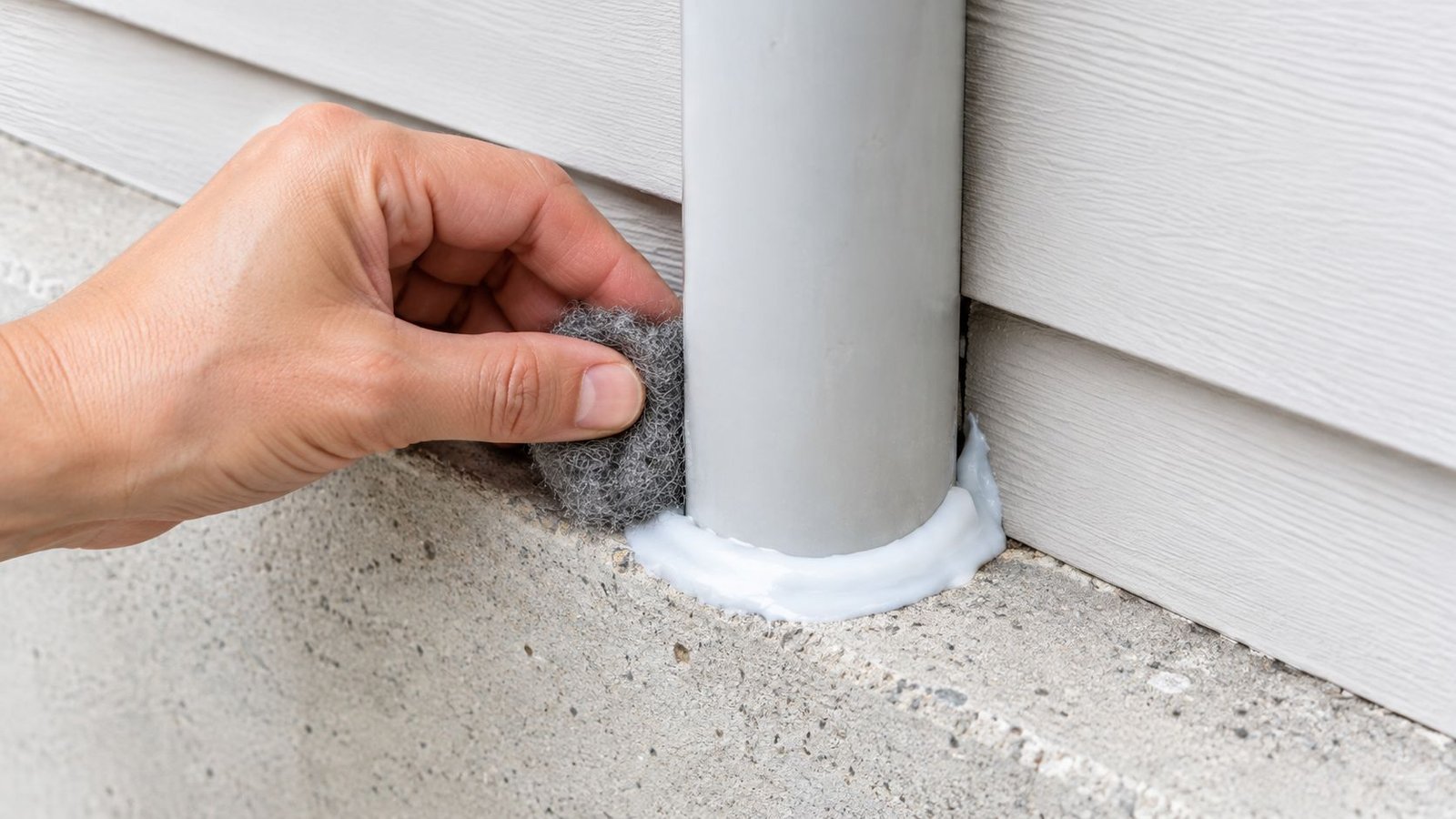
Practical rule: Choose hardware cloth, copper mesh, sheet metal, concrete, or mortar. Rodents can chew through plastic, rubber, vinyl, and wood.
In a few minutes, sweep a flashlight along the foundation and pipe penetrations. Steel wool can serve as temporary backing, but secure it and cover it with suitable sealant. Fit door sweeps, replace damaged weatherstripping, and use fine metal mesh on vents. For a full walkthrough of the technique, see this guide to wildlife exclusion for homeowners. Vanish provides residential rodent-proofing and exclusion work, including exterior inspection and entry-point repairs.
If you find multiple active openings, structural deterioration, or access points you cannot safely reach, stop patching and contact a licensed professional.
2. Store Food and Garbage in Rodent-Proof Containers
A lot of rodent problems start before anything gets inside. One loose garbage lid, a scoop of spilled birdseed, or pet food left on the porch overnight can hold rodents on the property long enough for them to start working the foundation.
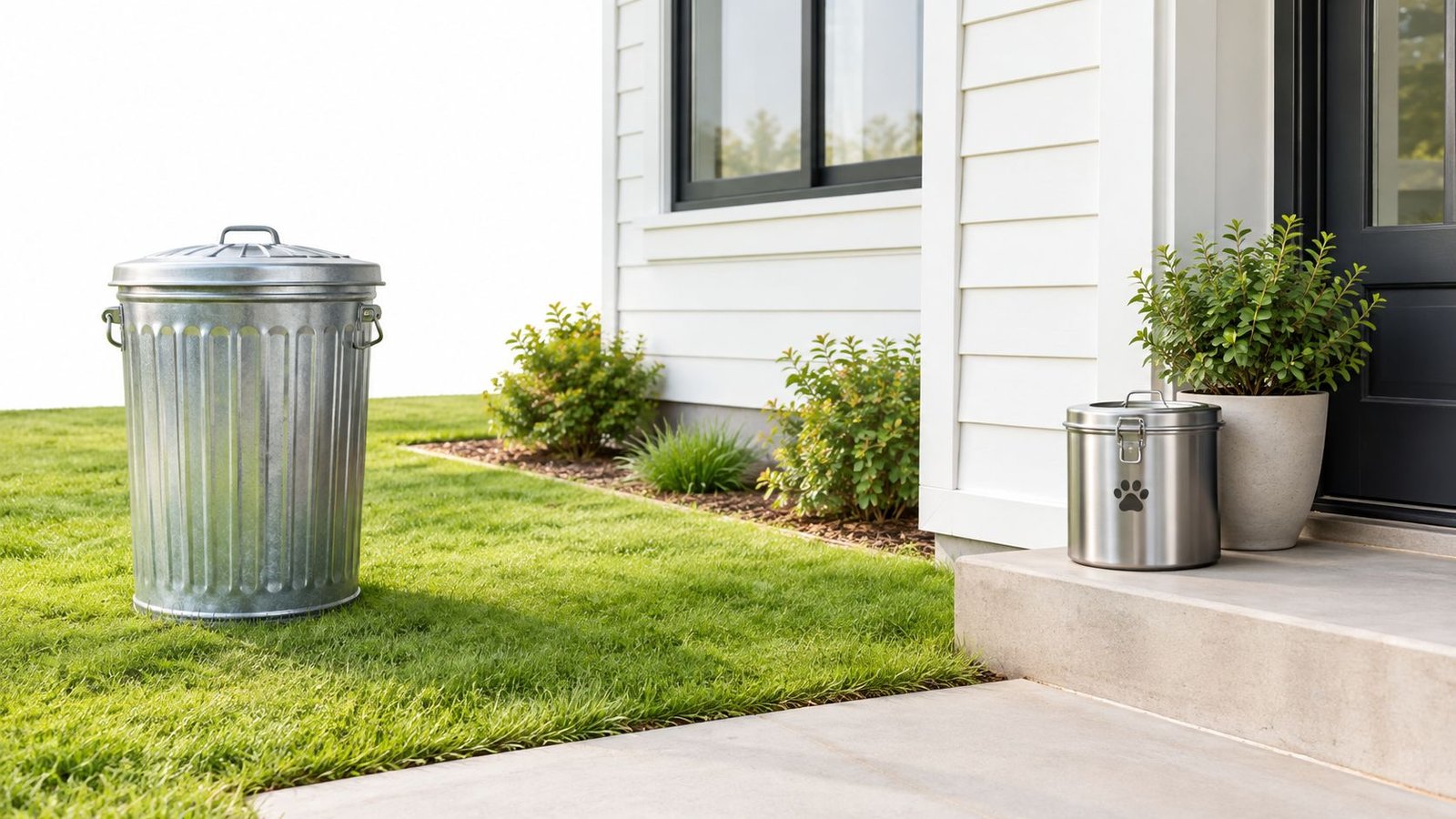
Start where they feed first. Ontario advises homeowners to secure garbage lids, clean up spilled waste, and avoid leaving garbage outside overnight (Ontario guidance for preventing conflicts with small animals). Use tight-fitting, watertight cans, and if your lot layout allows it, keep them a bit off the house instead of against the wall. Bring pet food indoors at night. Store birdseed and other bulk food in metal or hard plastic containers with secure lids, not in bags on a porch or garage floor.
Bird feeders also need attention. Seed buildup under a feeder near the house creates an easy feeding stop beside decks, windows, and siding. Catch trays help, but they do not replace cleanup. Compost deserves the same approach. If kitchen scraps are attracting activity, remove that food source and keep the pile turned and tidy.
Here is the fast check I tell homeowners to do before dark:
- Check feeder spill: Sweep up fallen seed under feeders and along the foundation.
- Inspect containers: Replace loose lids and move pet food, birdseed, and stored food into hard-sided containers.
- Review compost: Remove exposed kitchen scraps and clean up the area around the pile.
- Look for gnawing: Check bags, bin corners, and porch storage for fresh chewing or scattered contents.
If fresh activity continues after cleanup and container changes, the food issue is no longer the only problem.
3. Clear Yard Clutter and Overgrown Vegetation
A Woodstock yard can look tidy from the patio and still give rodents a protected route in. They rarely cross open ground if they can stay under cover. Tall grass, heavy shrubs, leaf piles, stacked materials, and wood stored near the wall let them work their way from the lot line to the foundation without much exposure. Clearing that cover does two jobs at once. It removes hiding spots and makes droppings, burrows, rub marks, and gnawing easier to spot before the problem shifts indoors.
Wood storage is one of the first places I check. A pile along the fence or against the house often sits close to vents, deck framing, or utility lines. That shortens the path to the building. Keep firewood raised, covered, and set away from the foundation. The same rule applies to spare lumber, cardboard, garden supplies, and outdoor furniture that stays unused for long stretches.
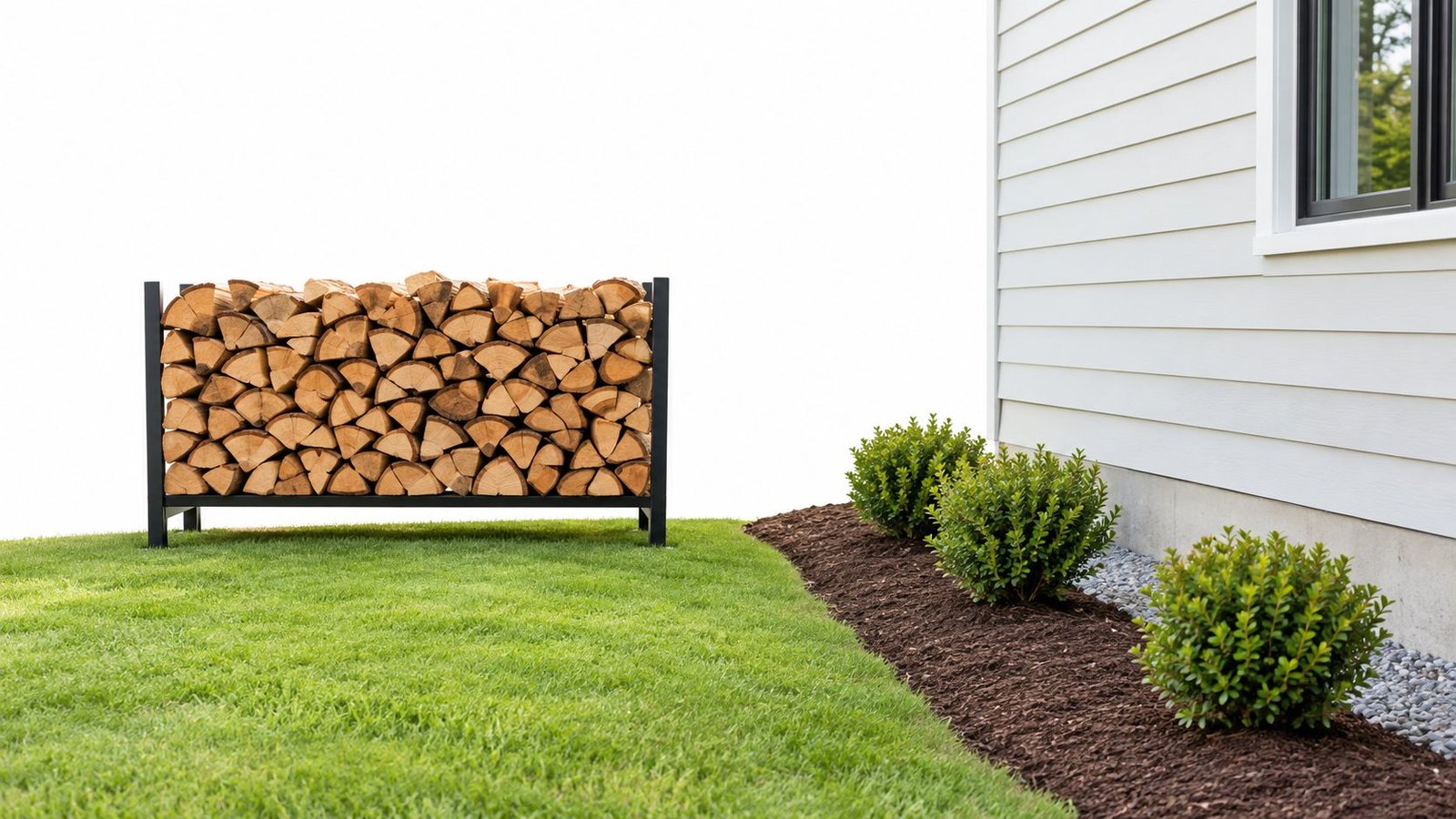
Trim shrubs and low branches so they do not touch siding or hang over routes to vents and roof edges. Around the base of the house, dense mulch can hide traffic and fresh digging. A bare or gravelled strip is easier to inspect during a quick walkaround.
A fast yard inspection
Start at the fence or rear storage area, then walk toward the house. Check behind stacked items, under decks, around sheds, and along the garage wall with a flashlight, even in daylight. Look for tunnels through grass, disturbed soil, shredded nesting material, and droppings collected along edges. If you find a den or nest, do not close it right away. Make sure no animal is inside, then seal access with gnaw-resistant materials.
Yard cleanup stops being a simple solo job when activity follows a drainage corridor, ravine edge, or shared boundary where cover and shelter continue beyond your lot. In that situation, local cleanup helps, but the route itself still needs a broader control plan.
4. Protect Garages, Crawlspaces, and Basement Entry Points
Foundation-level spaces are often the first indoor stop on a rodent's route. Attached garages, crawlspaces, and older basements are dark, quiet, and full of stored material. A worn garage-door seal, an unscreened crawlspace vent, a basement window gap, or an opening around the rim joist can let rodents in even when the main living area looks clean.
Health Canada recommends repairing foundation cracks, installing metal weather stripping beneath doors, weather-stripping windows, and packing gaps around pipes with steel wool before caulking or plastering (Health Canada rat and mouse prevention guidance). Vents need fine-mesh metal screening too. A screen that is loose, corroded, or plastic will not hold up against a determined mouse.
Store paper, textiles, cardboard, pet food, and birdseed in sealed bins on shelving. Keep items off the floor so droppings and gnaw marks stay visible. In condo storage areas, residents should also check whether shared walls, utility chases, and waste rooms connect several units. A treatment in one suite will not hold if the building-wide route stays open.
A garage can be tidy and still be accessible. The bottom seal, side gaps, and corners deserve the same attention as the interior storage.
Open the garage door briefly and inspect the full lower edge, including the corners where the track meets the floor. For the hardware side of this, see this Cleveland garage door safety advice. Then check crawlspace vents from outside, and inspect the basement side of the foundation for daylight or staining. If signs appear in several rooms, or a wall or ceiling contains nesting sounds, stop and inspect the whole route before placing traps at random.
5. Inspect the Roofline, Vents, and Chimney
Rodents do not always start at ground level. They can climb branches, fences, roof edges, and other connected routes until they reach soffits, fascia, attic vents, chimneys, or roof penetrations, where the attic and wall cavities become open paths.
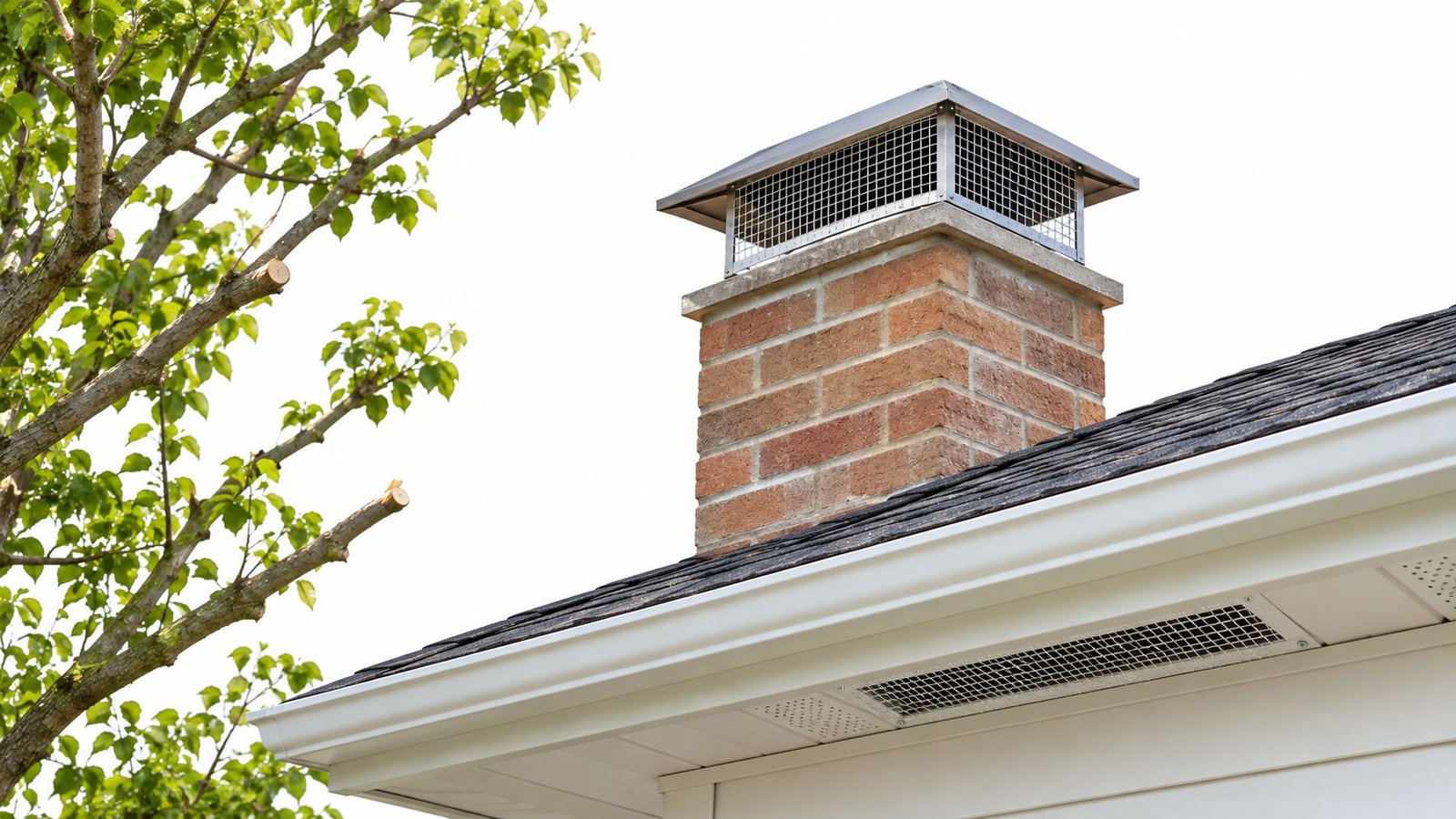
Spring and fall are the best times for a roofline check. From the ground, look for missing vent screens, loose soffit panels, damaged fascia, grease marks, and branches that touch or come close to the roof. Keep branches trimmed back where practical. Chimney caps with suitable metal screening can block entry while still allowing ventilation.
Signs that point upward
Attic droppings, stained insulation, nesting material, and scratching above a bedroom can point to activity in the upper structure. A homeowner can check the attic entrance and visible corners with a flashlight, but should avoid disturbing contaminated material. Rodent droppings, urine, saliva, and nesting material can present a health risk, and Ontario public-health guidance recommends wet cleaning and disinfection rather than dry sweeping or vacuuming (Ontario public-health hantavirus guidance).
Roof work also carries fall risk. If the entry point is too high for a safe inspection, or if a vent or chimney needs repair, a qualified professional should take over. Chimney problems often go together with roof wear, so this HIBCO ROOF chimney leak advice is worth reading alongside your inspection.
6. Watch for Seasonal Rodent Pressure in Fall and Early Winter
Cold weather often exposes weak points that went unnoticed through summer. Rodents look for warmth, shelter, water, and food, so garages, sheds, basements, wall voids, and attics become more attractive as temperatures fall. A Woodstock homeowner who waits for a kitchen sighting may already have activity in less visible areas.
Plan an exterior and interior inspection before the coldest part of the season. Focus on the foundation-to-siding junction, garage door, basement windows, utility penetrations, roofline, attic vents, and areas behind appliances or inside cabinets. California guidance specifically recommends checking for droppings, urine stains, nests, gnaw marks, live or dead rodents, and gaps inside and outside the building (California Department of Public Health rodent guidance).
What to look for in minutes
A flashlight inspection can reveal droppings, rub marks, chewed packaging, nesting material, and tracks in dusty corners. Garages and sheds deserve special attention when they contain cardboard, birdseed, pet food, or stored fabric. A simple monitoring pad or tracking material can help identify movement, but it shouldn't replace an inspection of the building envelope.
Document the location and date of each sign. Repeated activity in one area often points toward a nearby entry route. Fresh gnawing after repairs, signs in several rooms, or scratching in the ceiling means the problem has moved beyond a single visible gap.
7. Use Traps and Baits Carefully and Know When to Call a Professional
Traps can reduce activity inside a home, but they don't close the route that allowed rodents in. Bait can also create safety concerns around children, pets, and wildlife. California Department of Food and Agriculture guidance places sanitation and habitat modification, structural exclusion, and population control together as the main parts of rodent management (California rodent management guidance).
For limited activity, traps should be placed along walls and near identified travel routes, with the trigger facing the wall. Product labels must be followed exactly, and bait stations must remain inaccessible to children and pets. Random placement is inefficient because rodents generally follow edges, protected pathways, and established routes.
Trapping is a control measure. Exclusion is what prevents the next rodent from using the same opening.
Wear gloves when handling traps, dead rodents, nests, or contaminated material. Don't sweep or vacuum droppings dry. Ontario guidance recommends wet disinfection, ventilation where feasible, and careful bagging and disposal of dead rodents and used traps.
Professional help is warranted when activity lasts more than a few days, signs appear in several rooms, nesting is found in attic or wall cavities, or repairs don't stop fresh evidence. Vanish Pest Control Inc. provides residential and commercial rodent control, inspections, and exclusion planning across Woodstock and nearby Ontario communities. Homeowners can review the available service information at Vanish Canada rodent control services.
Woodstock Rodent Prevention: 7-Point Comparison
| Strategy | Implementation complexity | Resource requirements | Expected outcomes | Ideal use cases | Key advantages |
|---|---|---|---|---|---|
| Seal Exterior Entry Points Before Rodents Find Them | Moderate, DIY possible but some areas need professionals | Steel wool, caulk/foam, hardware cloth, metal flashing, time | High long-term reduction in entry when done thoroughly | Older homes, settled foundations, visible gaps around utilities | Addresses root cause; cost-effective; also reduces insects/moisture |
| Store Food and Garbage in Rodent-Proof Containers | Low, quick to start with simple changes | Tight-fitting bins (metal/hard plastic), habit consistency | Reduces attractants and likelihood rodents stay nearby | Homes with bird feeders, compost, outdoor pet food or loose trash | Easy, low-cost, reduces multiple pest attractants |
| Clear Yard Clutter and Overgrown Vegetation | Low–Moderate, ongoing yard maintenance | Time, gardening tools, possible landscaping adjustments | Fewer outdoor shelters and easier detection of activity | Properties with woodpiles, dense shrubs, tall grass or debris | Reduces nesting/hiding places; improves curb appeal and inspections |
| Protect Garages, Crawlspaces, and Basement Entry Points | Moderate, sealing, screening, and storage organization | Seals, door sweeps, hardware cloth, shelving; sometimes pros | Lowers nesting inside and prevents damage to insulation/wiring | Homes with attached garages, unfinished basements, open crawlspaces | Protects high-risk interior spaces; often quick improvements available |
| Inspect the Roofline, Vents, and Chimney for Roof Rats | Moderate–High, roof access and safety considerations | Ladders or pros, chimney caps, vent screens, tree trimming | Prevents attic invasions and damage from climbing rodents | Houses with nearby trees, signs of attic activity, roof-access routes | Stops above-ground entry; reveals other roof maintenance issues |
| Watch for Seasonal Rodent Pressure in Fall and Early Winter | Low, scheduled inspections and monitoring | Time, simple monitoring pads/tracking powder, inspection checklist | Early detection enabling timely, less disruptive control | Pre-winter preparation, seasonal monitoring of garages/attics/sheds | Enables proactive action; simplifies control and planning |
| Use Traps and Baits Carefully and Know When to Call a Professional | Moderate, correct placement, legal compliance, possible pro needed | Snap/multi-catch traps, tamper-resistant bait stations, PPE, adherence to regulations | Rapid reduction of indoor rodents when combined with exclusion; misuse risks exist | Active indoor infestations, localized problems, or when safety is a concern | Quick knockdown potential; professionals can identify entry points and long-term fixes |
Turn Prevention Into a Routine That Holds Up
Rodent prevention is less about one large repair and more about a routine that catches weak points early. Inspect the yard, foundation, garage, basement, attic, vents, and roofline. Keep food, garbage, birdseed, and pet food secured, and remove the cover that lets rodents travel unnoticed beside the house.
Older Woodstock homes need particular care around stone foundations, deteriorating mortar, basement window wells, attached garages, and utility penetrations. A temporary seal can close a visible gap for a short time, but durable exclusion corrects the underlying defect and uses materials rodents can't easily chew through. Sealing should also happen only after checking that no animal is trapped inside.
Health protection matters during cleanup. Droppings, urine, saliva, and nesting material shouldn't be swept or vacuumed dry. Wet cleaning and disinfection reduce the chance of dispersing contaminated particles, while gloves, sealed bags, and careful ventilation make cleanup safer. Families with children, pets, allergies, or asthma should avoid delaying action after repeated signs appear.
A seasonal review before colder weather is useful, but prevention shouldn't stop there. Recheck repairs after fresh gnawing or rub marks appear, monitor sheds and garages, and keep shared condo waste areas from becoming a dependable food source. If activity continues after sanitation and sealing, Vanish Canada can inspect the property and develop a plan based on the actual entry routes, nesting areas, and surrounding conditions.
Vanish Pest Control Inc. offers rodent inspections, control, and exclusion services for Woodstock homes, condos, and commercial properties. Homeowners can visit Vanish Pest Control Inc. to request an inspection focused on entry points, active signs, and prevention that holds up.


