

A Toronto resident often finds out the hard way. A few itchy marks show up after a night's sleep in a condo near the core. A small brown insect appears on a mattress seam after a long workday. A tenant in a rental building hears that the unit next door is being treated, and suddenly every speck on the sheet looks suspicious.
That stress is real. Bed bugs create anxiety fast, especially in Toronto homes where shared walls, elevators, laundry rooms, moving carts, and tight unit layouts make people worry that the problem is already spreading.
The good news is that bed bug problems are solvable. They're solved with inspection, proof, a treatment plan that matches the property, and disciplined follow-up. Toronto's own public guidance treats bed bugs as an integrated pest management problem, not a one-spray issue, and that's exactly how serious practitioners approach them in houses, apartments, shelters, condos, and commercial spaces.
Table of Contents
- That Sinking Feeling Discovering Bed Bugs in Toronto
- Confirming a Bed Bug Problem in Your Toronto Home
- Comparing Bed Bug Treatment Methods for Toronto Properties
- Understanding Bed Bug Treatment Costs and Timelines in Toronto
- Your Guide to Treatment Prep and Aftercare
- Toronto Bed Bug Rules for Landlords Tenants and Condo Boards
- How to Choose a Certified Toronto Bed Bug Exterminator
- Toronto Bed Bug Treatment FAQ
That Sinking Feeling Discovering Bed Bugs in Toronto
We see the same discovery pattern in Toronto homes every week. Someone notices a few itchy marks, changes the sheets, checks the mattress, and hopes it is nothing. Then the worry sets in fast. Are the bugs in the kids' room, in the couch, in a backpack, or already in the hallway outside the unit?
That stress is real, and in Toronto it comes with another layer. In a detached house, the problem may stay within one structure. In a condo or apartment building, one infestation can involve neighbours, property management, superintendents, and access rules for adjacent units. I have seen residents do everything right inside their own bedroom and still struggle because the issue was larger than one room.
Dense housing changes the job.
In older apartment towers, bed bugs can spread through wall voids, shared laundry handling, cluttered storage, or repeated item movement between units. In condos, the challenge is often coordination. Owners need to notify management, tenants need clear direction from landlords, and building staff need to avoid half-measures that treat one suite while ignoring the units beside, above, or below it. That is why bed bug treatment in Toronto is rarely just a matter of spraying a bed frame and calling it finished.
The first mistake I see is panic disposal. Mattresses get dragged through common areas. Sofas get dumped before the infestation is confirmed. Store-bought foggers get set off in bedrooms, which often scatter bed bugs deeper into cracks and into neighbouring spaces instead of solving the problem. Those choices make containment harder, especially in multi-unit buildings where one resident's rushed response can create a bigger problem for the floor.
Bed bugs are a common Toronto problem. The correct response is a controlled, building-aware one.
A disciplined approach works better than fear. Confirm the activity first. Then choose a treatment plan that matches the unit layout, clutter level, occupancy, and the possibility of spread beyond your suite. In Toronto, good results depend on more than killing visible bugs. They depend on handling the infestation in a way that fits the reality of condos, apartments, landlords, tenants, and building protocols.
Confirming a Bed Bug Problem in Your Toronto Home
Misidentification wastes money and delays the right fix. Toronto's public health guidance notes that bed bugs are often found in apartments and condos, but they're not considered a health hazard. The larger issues are anxiety, secondary skin reactions, and treating the wrong problem, which is why confirmation has to come before booking service (Toronto bed bug guidance for residents).
Start with evidence not bites
Bites alone don't confirm bed bugs. Skin reacts differently from person to person, and many residents mistake irritation, dry skin, mosquitoes, carpet beetles, or another insect for bed bug activity.
The strongest confirmation usually comes from three types of evidence:
- Live insects: Adults are small, flat, and reddish-brown. Younger stages are smaller and easier to miss.
- Eggs or shed skins: These collect in protected areas where bed bugs stay hidden between feedings.
- Dark spotting: Small black or dark brown marks on seams, fabric edges, bed frames, or nearby furniture often signal activity.
Practical rule: Don't approve whole-unit treatment because of itching alone. Look for a bug, a skin, eggs, spotting, or a cluster of signs in one resting area.
Where Toronto residents should inspect first
Start where people stay still the longest. In most Toronto homes, that means the bed first and the sofa second.
Check these areas carefully with a flashlight:
Mattress seams and labels
Lift piping, folds, and corners. Don't just look at the top surface.Box spring or platform bed edges
Bed bugs often stay underneath or around staple lines and corner guards.Headboard and bed frame joints
Screw holes, cracks, and unfinished wood are prime hiding points.Baseboards near the bed
In older Toronto apartments, gaps around trim and flooring can hold low-level activity.Nightstands and upholstered furniture
Remove drawers and inspect underneath, inside corners, and rear panels.Sofas in studio condos or small units
In compact spaces, bed bugs don't always stay in the sleeping area.
People often want immediate reassurance. The better answer is a methodical search. If there's no physical evidence, that doesn't always mean there's no problem, but it does mean treatment decisions should be made cautiously. Low-level infestations can be hard to find, especially in cluttered units or buildings where bugs may be moving between suites.
Comparing Bed Bug Treatment Methods for Toronto Properties
In Toronto, the right treatment method depends on more than how many bugs are present. The building type matters. A detached home gives you more control over access and follow-up. A condo or apartment adds shared walls, adjacent units, service booking rules, and, in many buildings, a property manager or condo board that needs documentation before work starts.
That is why a serious bed bug treatment Toronto plan is built around inspection, preparation, physical reduction, and a method that fits the unit, the level of activity, and the building's operating rules.
Heat treatment
Heat treatment brings the room and its contents to temperatures that kill bed bugs in places liquid products may not reach well. In Toronto, it is often selected for furnished bedrooms, heavy activity, and units where residents want to limit residue on sleeping surfaces and personal items.
Used properly, heat can reach deep harbourage points in beds, sofas, nightstands, and cluttered contents. It can also shorten the reset period for a resident who needs the unit back in service quickly. For a closer look at how that process works, see this guide to bed bug heat treatment and safe chemical-free elimination.
The trade-off is control. Heat is not a plug-in shortcut. Technicians need to manage air flow, monitor target areas, and account for cold spots inside dense furniture or packed belongings. In condos, building policies can affect scheduling, elevator access, and what can be treated on site. Heat-sensitive items also have to be identified before the equipment is turned on.
Targeted chemical treatment
Targeted chemical treatment works best with precise application. The focus is on cracks, crevices, bed frames, baseboards, furniture joints, and voids where approved dusts or liquids belong. Broad spraying is poor practice and usually wastes time.
This method often suits light to moderate infestations, follow-up visits, and units where heat is impractical because of contents, cost, or building restrictions. It is also common in apartment buildings where management wants a documented, staged approach across several suites.
The weakness is access. If the bed is buried in storage bins, the sofa cannot be opened up, or the resident keeps moving items between rooms, results slow down. In multi-unit Toronto housing, another active suite nearby can also reintroduce bugs after a good treatment, which is why isolated chemical work is not always enough.
Integrated pest management
Integrated Pest Management, or IPM, is usually the most reliable approach for Toronto properties with shared walls and repeated exposure risk. It combines inspection, vacuuming, laundering, steam or heat where suitable, monitoring, targeted product use, and repeat checks based on what the technician finds.
This matters in condos, rental buildings, student housing, shelters, and care settings. Bed bugs do not respect suite lines on a floor plan. They move through wall voids, hall traffic, shared laundry handling, and second-hand furniture brought into the building. Good IPM plans also fit the legal and practical reality of the city. Landlords may need proof of access attempts and treatment records. Condo managers may require notice periods, contractor insurance, and coordination with neighbouring units.
| Method | How It Works | Pros | Cons | Best For |
|---|---|---|---|---|
| Heat | Raises room and contents to lethal temperatures | Reaches many hidden sites in one treatment, leaves little residue | Needs careful prep, technical monitoring, and a building that allows it | Furnished rooms, heavier infestations, faster turnover |
| Targeted chemical | Applies approved materials to cracks, crevices, and harbourage points | Useful for localised activity, follow-up work, and staged building programs | Misses bugs if access is poor or adjacent units remain active | Light to moderate infestations, follow-up visits, restricted spaces |
| IPM | Combines inspection, vacuuming, laundering, steam or heat, monitoring, and targeted applications | Handles the way infestations behave in dense Toronto housing | Takes co-operation, access, and disciplined follow-through | Condos, apartments, repeat activity, multi-unit properties |
A one-visit promise can sound reassuring. In real Toronto buildings, the better plan is the one that matches the structure, gets access to the right areas, and holds up under landlord, tenant, and condo management requirements.
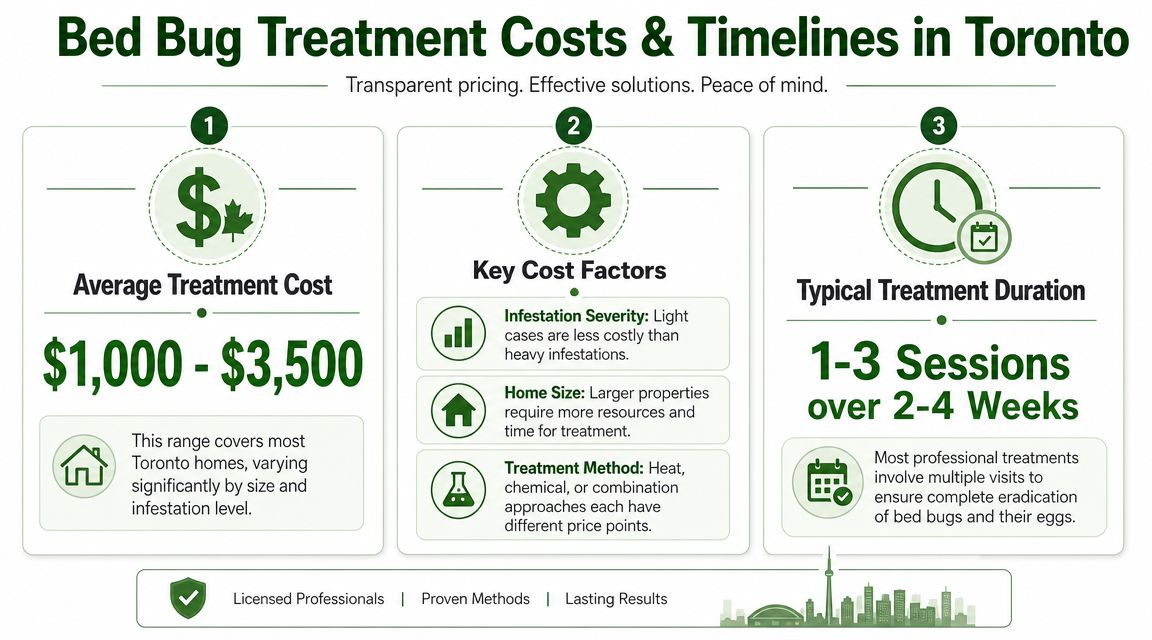
Understanding Bed Bug Treatment Costs and Timelines in Toronto
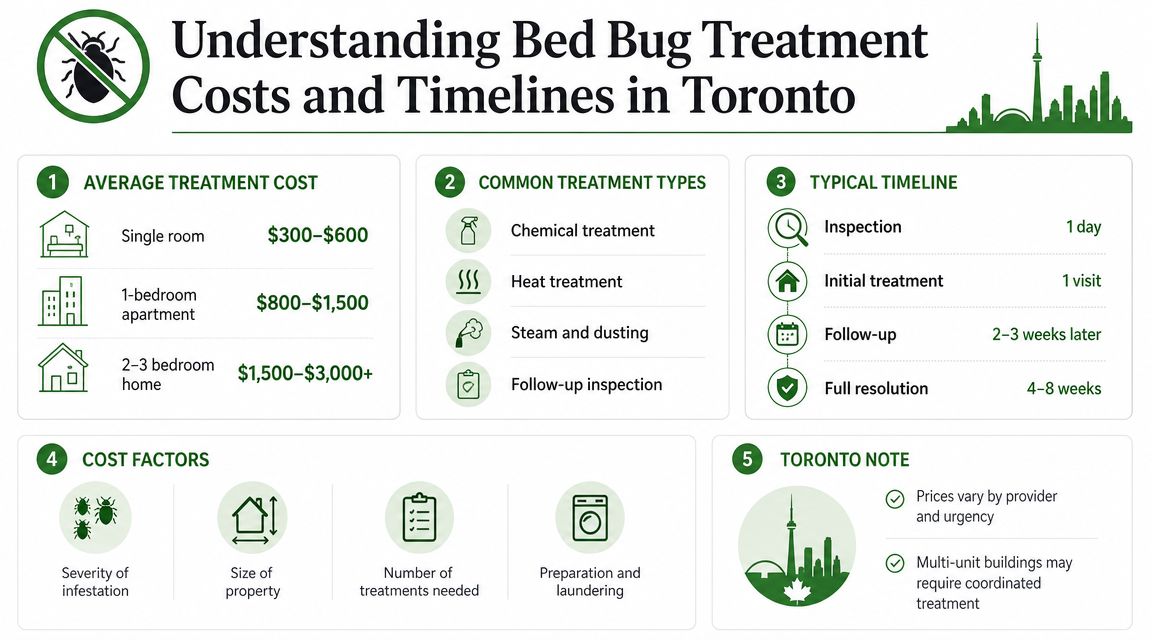
Price depends on the structure, not just the insect. A studio condo with early activity in one sleeping area is a different project from a detached Toronto home with cluttered bedrooms, multiple upholstered rooms, and signs in more than one area.
What changes the price
The biggest cost drivers are usually these:
- Infestation spread: One sleeping area is simpler than several rooms with established harbourages.
- Property size: Larger Toronto homes take more inspection time, more labour, and more follow-up.
- Treatment method: Heat, targeted product work, or a combined plan each carry different labour and equipment demands.
- Preparation level: Heavy clutter, inaccessible furniture, and incomplete laundry prep can add complexity.
- Building conditions: In condos and apartments, treatment may need co-ordination with management, neighbouring units, or access schedules.
For homeowners who want a general overview of service pricing categories, this page on pest control prices is a useful starting point.
What a realistic timeline looks like
Most bed bug projects move in stages, not in one dramatic moment. Confirmation comes first. Then there's preparation, treatment day, and follow-up inspection or service if the method and site conditions call for it.
A realistic timeline often looks like this:
- Inspection and identification
- Preparation period by the resident, tenant, or staff
- Initial treatment
- Monitoring and follow-up
- Clearance based on lack of ongoing evidence
Fast action matters, but speed without prep usually leads to repeat work.
Residents should also expect some uncertainty in timing when the property is in a multi-unit building. Scheduling with landlords, superintendents, condo management, or access to adjacent units can shape the calendar as much as the treatment method itself.
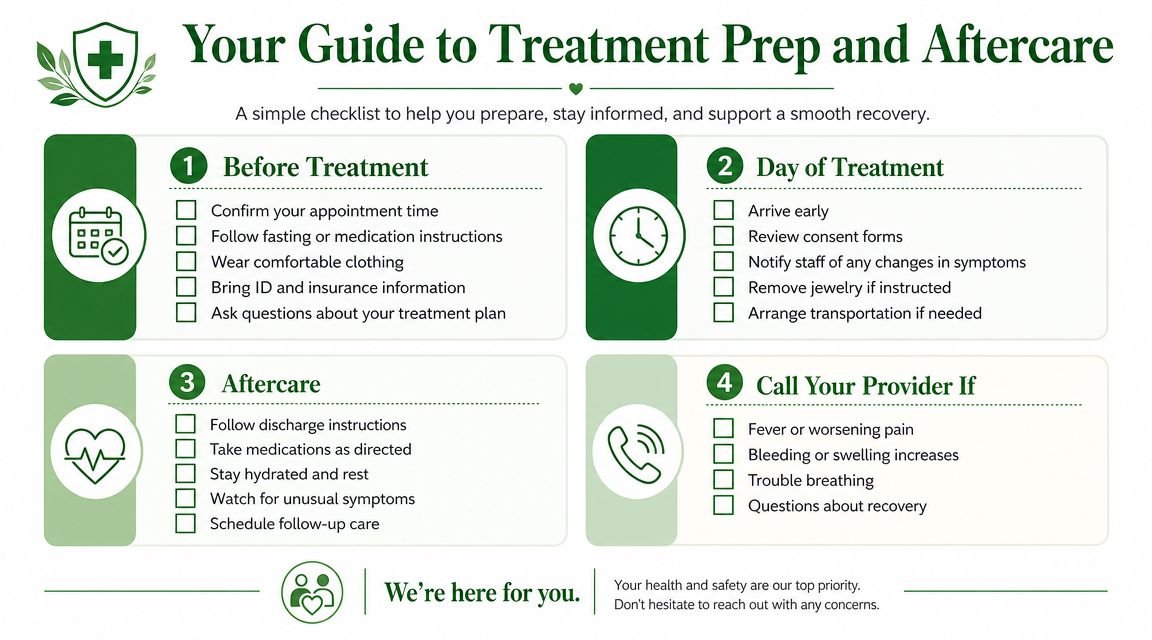
Your Guide to Treatment Prep and Aftercare
You get the treatment date. Then the stress shifts. In Toronto condos and apartment buildings, preparation is not busywork. It is what lets the technician reach the places bed bugs use, while avoiding the kind of hallway and elevator spread that turns one unit into a floor-wide issue.
I tell residents the same thing every week. Do less random cleaning and more controlled preparation. Throwing items around, dragging bags through common areas, or moving to another room usually creates more work and more risk.
What to do before treatment day
Start with access. Beds, baseboards, sofas, and nightstands need to be reachable so inspection and treatment can happen properly. In smaller Toronto bedrooms, that often means pulling furniture slightly off the wall, emptying under-bed storage, and removing loose items from the floor.
Then deal with fabrics carefully. Bedding, clothing, and other washable items should be bagged before they are moved through the unit. Keep clean items sealed until your technician tells you how to stage them afterward. In condos, this matters even more because laundry rooms, elevators, and shared corridors are common transfer points when items are handled carelessly.
A solid prep plan usually includes:
- Bag and sort linens carefully: Keep bedding, clothing, and soft items contained while moving them to laundry.
- Reduce clutter near beds and sofas: Floor piles, packed drawers, and stuffed closets give bed bugs extra harbourage.
- Clear wall edges and furniture access: Technicians need room to inspect trim, bed frames, headboards, and rear furniture joints.
- Do not place infested items in hallways or garbage areas without direction: Building staff may have rules for wrapping, labeling, and disposal, especially in condos.
- Follow the laundry and prep instructions you were given: Heat, washing, containment, and storage only help if they are done in the right order.
Clean bedding also helps after service because a simple, washable sleeping setup makes monitoring easier. For households trying to keep routines tight after treatment, guidance on healthier sleep with clean linens can help maintain that discipline.
What to expect after treatment
The first few days after treatment are where people often sabotage good work. They panic, vacuum up treated areas, sleep on the couch, or start moving bags from room to room. That breaks the monitoring pattern and can reduce the effect of the treatment.
Stay in your usual sleeping area unless your technician gives different instructions. Bed bugs follow people. If you begin rotating between the bedroom, sofa, and guest room, you make the infestation harder to read and harder to finish.
Aftercare usually means staying disciplined:
- Keep sleeping arrangements consistent: Continue using the treated sleeping area unless instructed otherwise.
- Watch for evidence, not every itch: Anxiety is common after treatment, especially in high-rise units where residents worry about neighbouring suites.
- Leave interceptors, encasements, and monitoring devices in place: They only work if they remain undisturbed.
- Avoid aggressive cleaning in treated zones until you are told it is safe: Premature washing or vacuuming can remove material placed where bugs travel.
- Report ongoing activity promptly: In multi-unit buildings, quick reporting helps management and the pest professional decide whether adjacent units or common routes need attention.
Some homes need more than one visit. That is normal, especially in cluttered units, heavily furnished rooms, and buildings where neighbouring suites may also be involved. Good aftercare is not dramatic. It is controlled, consistent, and boring. That is usually what gets the problem to the finish line.
Toronto Bed Bug Rules for Landlords Tenants and Condo Boards
A common Toronto scenario goes like this. A tenant in a high-rise finds bites or spotting, waits a week out of embarrassment, then tells the superintendent after the bugs have likely spread to a sofa, hallway items, or a neighbouring unit through shared walls and pipe runs. In detached homes, the work usually stays inside one structure. In condos and apartments, bed bug control also depends on access, reporting, records, and co-ordination between residents and management.
That is why silence causes real problems in multi-unit housing. The first report gives property managers time to arrange inspection, check adjacent units, and control activity before the issue turns into a floor-wide problem.
Toronto has dealt with bed bugs in dense housing for years. Earlier municipal response materials describe investigation and inspection programs used to identify affected units and contain spread through an integrated approach, not a spray-and-hope approach alone (Toronto Public Health bed bug response materials). That approach still fits how experienced operators handle condos and rental buildings now.
Why roles need to be clear
Tenants, landlords, owners, and condo boards do not have the same job.
Tenants need to report signs quickly, co-operate with inspection, and follow preparation instructions closely. Delays, partial prep, and store-bought self-treatment often make the unit harder to read and the building harder to protect.
Landlords need to act once a problem is reported. In practice, that means arranging a proper inspection, documenting what was found, scheduling treatment, and getting access to any nearby units that may also need to be checked. In rental buildings, slow responses create two problems at once. The infestation grows, and the paper trail gets worse.
Condo owners should notify management even if they plan to hire a licensed pest professional for their own unit. Building management may need to alert adjoining suites, track repeated complaints in one stack, and set rules for service elevator use, hallway handling, or disposal of infested items.
Condo boards and managers need a written process. Staff should know who takes reports, how access is arranged, how resident notices are handled, and when neighbouring units are inspected. In buildings with frequent turnover, that structure matters as much as the treatment itself.
In a condo or apartment, a bed bug report affects the units beside, above, and below.
Common-area rules matter more than residents expect
I have seen good unit treatments lose ground because the building side was disorganized. Mattresses sat in corridors without being wrapped. Laundry rooms were treated like dumping zones. Move-ins happened without any attention to soft furniture or discarded items near the loading area.
Shared spaces need steady housekeeping and clear rules. Corridors, laundry rooms, lockers, storage areas, garbage rooms, and move-in routes should be managed with the same discipline used in broader HOA common area maintenance strategies. Clean common areas do not solve bed bugs by themselves, but poor common-area control makes containment slower and resident confidence weaker.
What to do right away
Use a simple division of responsibility:
- Tenants: Report suspected activity promptly, allow entry, and avoid DIY pesticide use that can scatter bugs.
- Landlords: Arrange inspection and treatment without delay, keep records, and address adjacent-unit risk where appropriate.
- Condo owners: Tell management early, even if the issue seems limited to one bedroom.
- Condo boards and property managers: Document complaints, communicate clearly, and co-ordinate access between affected and neighbouring units.
If you are trying to understand what a professional process should look like before you speak with management or a provider, this Toronto bed bug exterminator checklist for homeowners and condo residents will help you ask better questions and spot weak plans early.
How to Choose a Certified Toronto Bed Bug Exterminator
A bad hire usually shows up the same way in Toronto. A tenant gets treated in one condo unit, the bites slow down for a week, and then activity starts again because the adjacent unit was never checked, the prep was weak, or the original inspection never pinned down the harbourages properly. The resident pays again. Building management gets pulled in later. Stress rises fast.
Certification matters, but certification alone is not enough. In dense housing, the provider also needs a process that works inside real Toronto conditions: limited access to neighbouring units, condo rules, service elevator booking, tenant communication, and the need to document what was found and what was done.
Questions that separate professionals from guesswork
Ask direct questions and expect direct answers:
- Are the technicians licensed and insured for pest control work in Ontario? Property managers and residents should be able to verify this.
- How was the bed bug problem confirmed? A serious provider explains the evidence, where it was found, and whether adjacent-unit risk is likely.
- What treatment method fits this specific property? A detached house, a high-rise condo, a student rental, and a small office attached to a warehouse do not get the same plan.
- What prep is required, and what happens if the prep is incomplete? This answer tells you a lot about how disciplined the company is.
- Will follow-up inspection or monitoring be included if the situation calls for it? In apartments and condos, one visit is not always the end of the job.
- Can the provider co-ordinate with landlords, tenants, or condo management? In Toronto, that often decides whether the treatment is contained or keeps dragging on.
- Can the provider work within a larger IPM program? That matters in mixed-use and commercial properties, especially where staff areas, lockers, seating, and receiving zones create repeated risk patterns similar to those discussed in IPM for warehouses.
Watch for vague language. If a company jumps straight to spraying prices, avoids explaining inspection findings, or shrugs off neighbouring-unit risk in a multi-residential building, that is usually a warning sign.
A practical screening tool is this Toronto bed bug exterminator checklist for homeowners and condo residents. It helps residents and property managers compare providers on process, not just on quote totals.
One Toronto-based option that offers bed bug service is Vanish Pest Control Inc. The key point is not the name on the truck. It is whether the company can show a clear inspection standard, a property-specific treatment plan, and enough discipline to work with the access and reporting realities common in Toronto buildings.
Toronto Bed Bug Treatment FAQ
Can Toronto residents get rid of bed bugs with DIY products alone
Sometimes a very limited issue can be reduced with laundering, vacuuming, and careful monitoring, but full elimination is harder than most residents expect. DIY sprays often miss hidden harbourages and can scatter activity.
Are bed bug treatments safe for families and pets
Treatment plans should be explained clearly before service. Safety depends on the method used, the property, and whether residents follow preparation and re-entry instructions exactly.
Why do bed bugs spread so easily in Toronto condos and apartments
Shared walls, hallways, nearby units, furniture movement, laundry transport, and delayed reporting all make dense housing more complicated than a detached home.
Should furniture always be thrown out
No. Many items can be treated. Throwing out furniture too quickly often creates unnecessary cost and can spread bugs through common areas if disposal isn't handled properly.
When should a tenant call the landlord
As soon as there's credible evidence such as a live bug, eggs, shed skins, or dark spotting in sleeping or resting areas.
If bed bugs are affecting a Toronto home, condo, rental unit, or commercial property, Vanish Pest Control Inc. can inspect the situation, explain the treatment options clearly, and provide a structured plan built for GTA conditions. Fast reporting and proper identification make the process easier, and a professional response can stop the problem before it spreads further.




